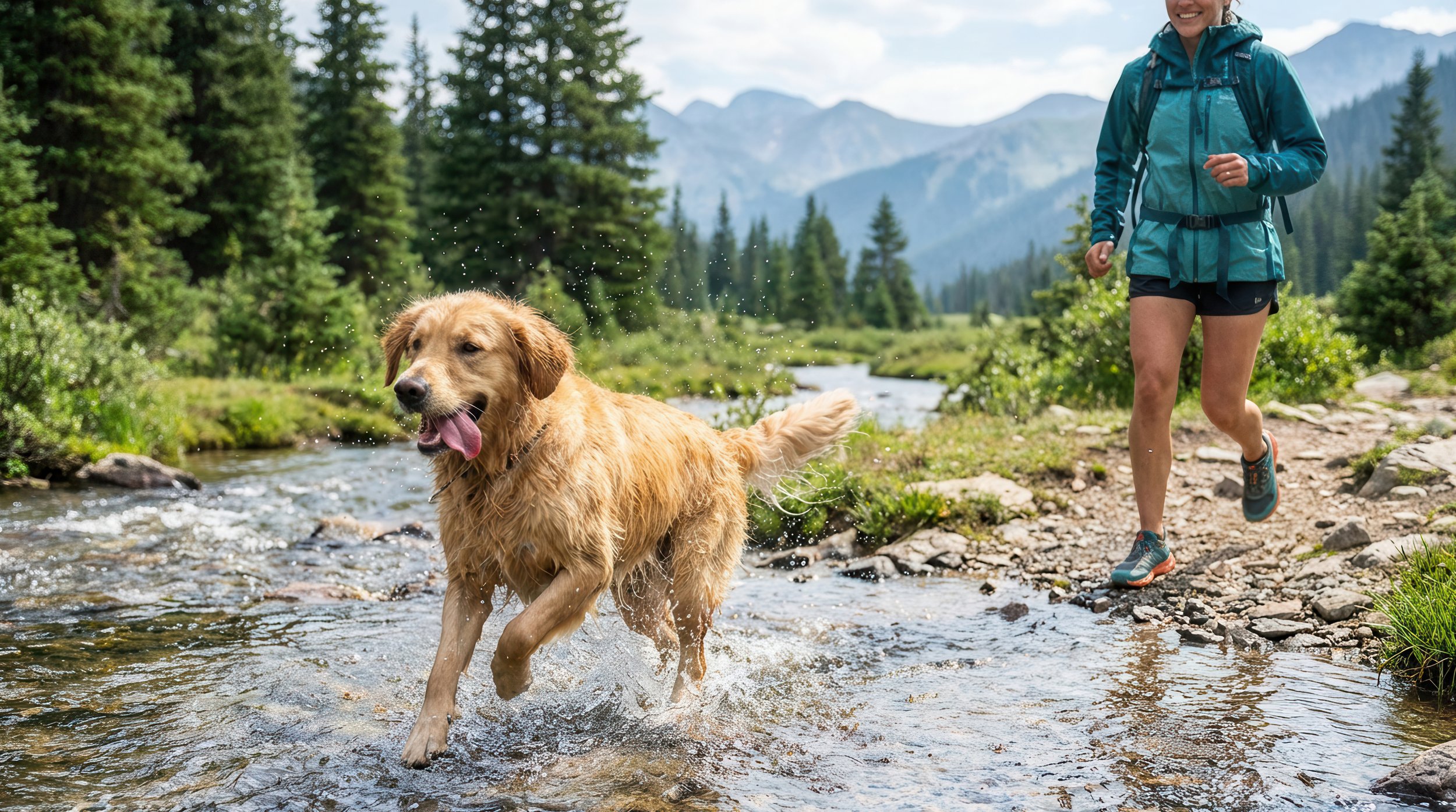
Why Active Dogs Need Specialized Grooming Care
Outdoor dogs encounter more than just mud. Dirt, dust, burrs, allergens, hot pavement, rough terrain, and seasonal weather can all take a toll on their coat and skin health.
Common issues active dogs experience include:
Dry or cracked paw pads
Tangled or brittle fur
Dry noses from sun and wind exposure
Skin irritation from environmental allergens
Dirt and debris trapped in the coat
Routine grooming helps prevent these problems before they start.
Step 1: Check the Paws First
Your dog’s paws take the biggest beating outdoors. After hikes or long walks, inspect paw pads for:
Applying a protective balm regularly helps moisturize and shield the pads from future damage.
Why Paw Balm Matters
A quality paw balm helps:
Restore moisture to dry paw pads
Create a barrier against rough terrain
Reduce cracking and irritation
Protect paws in both hot and cold weather
For dogs that spend a lot of time outside, paw care should become part of your regular routine — not just something you do when damage appears.
Step 2: Soothe and Protect the Nose
A dog’s nose can become dry from exposure to wind, sun, cold air, and dust. Many active dogs develop rough, flaky noses without owners realizing it.
Using a nourishing nose balm helps:
This is especially important for dogs who spend time in dry climates or outdoor environments frequently.
Step 3: Refresh and Protect the Coat
Outdoor adventures can leave your dog’s coat tangled, dirty, and stripped of natural moisture.
Using a conditioning treatment after bathing helps:
Restore softness and shine
Reduce tangles and matting
Replenish moisture
Improve overall coat health
A lightweight conditioner designed for active dogs can help maintain a healthy coat without leaving behind a greasy residue.
Step 4: Defend Against Outdoor Irritants
Trails, tall grass, wooded areas, and campsites can expose dogs to:
Ticks
Mosquitoes
Fleas
Dust and allergens
Environmental irritants
Using a trail defense spray before outdoor activities can help provide an added layer of protection during hikes and outdoor play.
Step 5: Build a Consistent Routine
The healthiest outdoor dogs usually follow a simple but consistent care routine.
Recommended Routine for Active Dogs
After every outdoor adventure:
Weekly:
Seasonally:
Adjust grooming based on weather conditions
Increase paw protection in winter and summer
Use additional coat hydration during dry months
Healthy Dogs Adventure Better
Your dog’s adventures shouldn’t come at the expense of their comfort. With the right grooming routine and outdoor care products, you can help protect their paws, coat, and skin through every season and every trail ahead.
A little preventative care goes a long way in keeping active dogs healthy, comfortable, and always ready for the next adventure.