How to Protect Your Dog’s Paws Before, During, and After a Hike
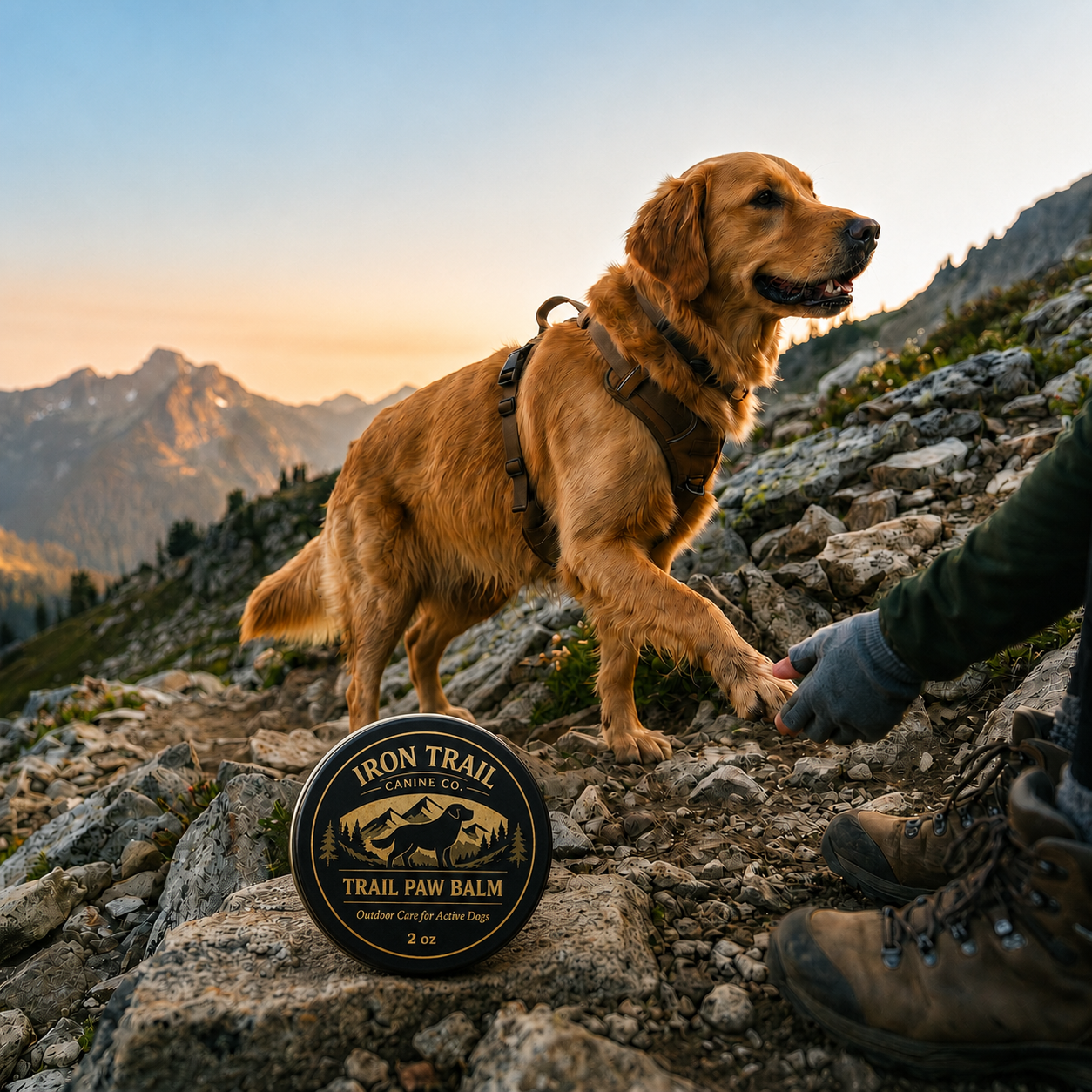
If your dog loves the trail as much as you do, paw care should be part of every hiking routine. Active dogs put their feet through a lot, from rough ground and muddy paths to snow, sand, debris, and long miles outdoors. A little preparation before the hike, a few quick checks during it, and the right cleanup afterward can help keep your dog more comfortable and ready for the next adventure.
To protect your dog’s paws on a hike, inspect their paws before you leave, use protective gear when needed, check for debris and irritation during the outing, and wash and dry their paws thoroughly afterward. Paw care matters because dirt, salt, snow, and debris can collect between the toes and around the pads, while cold and dry conditions can lead to cracking and discomfort.
Before the Hike: Start With a Quick Paw Check
Before heading out, take a minute to look over your dog’s paws. Check the pads for dryness, cracking, scrapes, or anything that looks irritated. Part the toes gently and make sure nothing is already lodged between them. A quick check at home is much easier than discovering a problem halfway through the hike.
If you expect snow, ice, or especially harsh conditions, dog booties can be a helpful option. AKC notes that boots can protect dogs’ feet from the elements, including ice and snow, and that most dogs can adapt to wearing them with patience and rewards.
For dogs with longer hair between the paw pads, keeping that area neat can also help in winter conditions. AKC specifically notes that careful trimming between the pads may help reduce snowball buildup.
If your dog spends a lot of time outdoors, this is also a smart time to work in a simple conditioning routine. A product like Trail Paw Balm can help protect and condition hardworking paws before and after outdoor activity.
During the Hike: Watch, Wipe, and Check
You do not need to stop every five minutes, but it is a good idea to do quick paw checks during breaks, especially on long hikes or in messy conditions. If your dog has been moving through mud, sand, slush, or road salt, take a look at the paws and between the toes. Debris and buildup in those areas can cause irritation if left there too long.
For light messes on the go, pet-safe wipes can be useful to keep in your pack. AKC notes that dog wipes or moist wipes labeled safe for pet use can help clean muddy, sandy, or salty paws quickly while traveling.
In snowy conditions, watch for ice balls forming between the pads. These “snowballs” can be uncomfortable for dogs and may cause them to pull or bite at their feet.
After the Hike: Clean Paws Thoroughly
Once you are back home, give your dog’s paws a proper cleanup. For light dirt, a towel or pet-safe wipe may be enough. For heavier grime or substances like road salt, washing the paws thoroughly is often the best option. AKC recommends thoroughly washing paws to remove dirt or harmful substances and drying them completely before letting your dog go back outside.
As you clean, do not just rinse and move on. Gently separate the toes and check between them, around the pads, and underneath the nails. These are the spots where salt, dirt, and other debris can hide and cause irritation.
For wet but fairly clean paws, keeping a grooming towel by the door can make life easier. AKC notes that a quick toweling can help dry paws and reduce slipping on indoor floors.
What to Do About Snowballs, Dryness, or Cracked Pads
If your dog comes back with ice packed between the paw pads, avoid pulling it out by hand. AKC recommends soaking a towel in warm water and gently massaging the paw to melt and loosen the ice instead.
After cleaning and drying, check again for signs of wear. If the pads look dry, rough, or cracked, that is a good time to add a conditioning step. AKC notes that soothing paw balm or protective paw wax may help prevent future problems.
For active dogs, a consistent routine matters more than doing something only once in a while. Using Trail Paw Balm as part of your after-hike care can help protect and condition paws that put in real work on the trail.
Signs Your Dog’s Paws Need Extra Attention
A hike is a great time to catch small paw issues before they become bigger problems. Watch for:
visible cuts or scrapes
dry or cracking paw pads
debris stuck between the toes
ice buildup between the pads in winter
signs of irritation after exposure to salt or rough conditions
AKC notes that icy conditions can lead to cuts and scrapes and that veterinarians can help treat these issues when needed.
A Simple Trail Paw Routine
If you want to keep it easy, here is a solid routine for most outdoor dogs:
Before the hike:
Check paw pads for dryness, cracks, or irritation
Look between the toes for debris
Use boots if conditions call for extra protection
Apply a conditioning product if it fits your dog’s routine
During the hike
Pause for quick paw checks on longer outings
Wipe off mud, sand, or salt if needed
Watch for signs of buildup or discomfort
After the hike
Wash or wipe paws thoroughly
Check between toes and around pads
Dry paws completely
Follow with a conditioning balm for hardworking paws
For Dogs Who Live Outside the Ordinary
At Iron Trail Canine Co., we make products for dogs who hike, roam, work, and explore. If your dog is the kind that is always ready for one more mile, paw care is one of the simplest ways to support comfort on every adventure.
Trail Paw Balm helps protect and condition hardworking paws, making it a natural fit for your pre-hike and post-hike routine.
Final Thoughts
Great hikes start long before you hit the trailhead and do not really end until your dog is cleaned up and comfortable again at home. A few minutes of paw care before, during, and after your hike can go a long way toward helping your dog stay protected, comfortable, and ready for the next outing.
Because the dogs who lead the way deserve care that keeps up.
FAQ
How do I protect my dog’s paws on a hike?
Inspect the paws before the hike, check them during breaks, clean them afterward, and use protective options like boots or a conditioning balm when needed.
Should I clean my dog’s paws after every hike?
If your dog has been on dirt, mud, snow, sand, or salted surfaces, it is a good idea to clean the paws and check for debris or irritation after the outing.
What should I do if snow gets stuck between my dog’s paw pads?
Use a warm, wet towel to gently melt and loosen the ice rather than pulling it out.
What helps with dry or cracked dog paws?
After cleaning and drying the paws, a soothing paw balm or protective paw wax may help support and protect the pads.